Fashion Mood Board: 5 Steps to Define Your Aesthetic
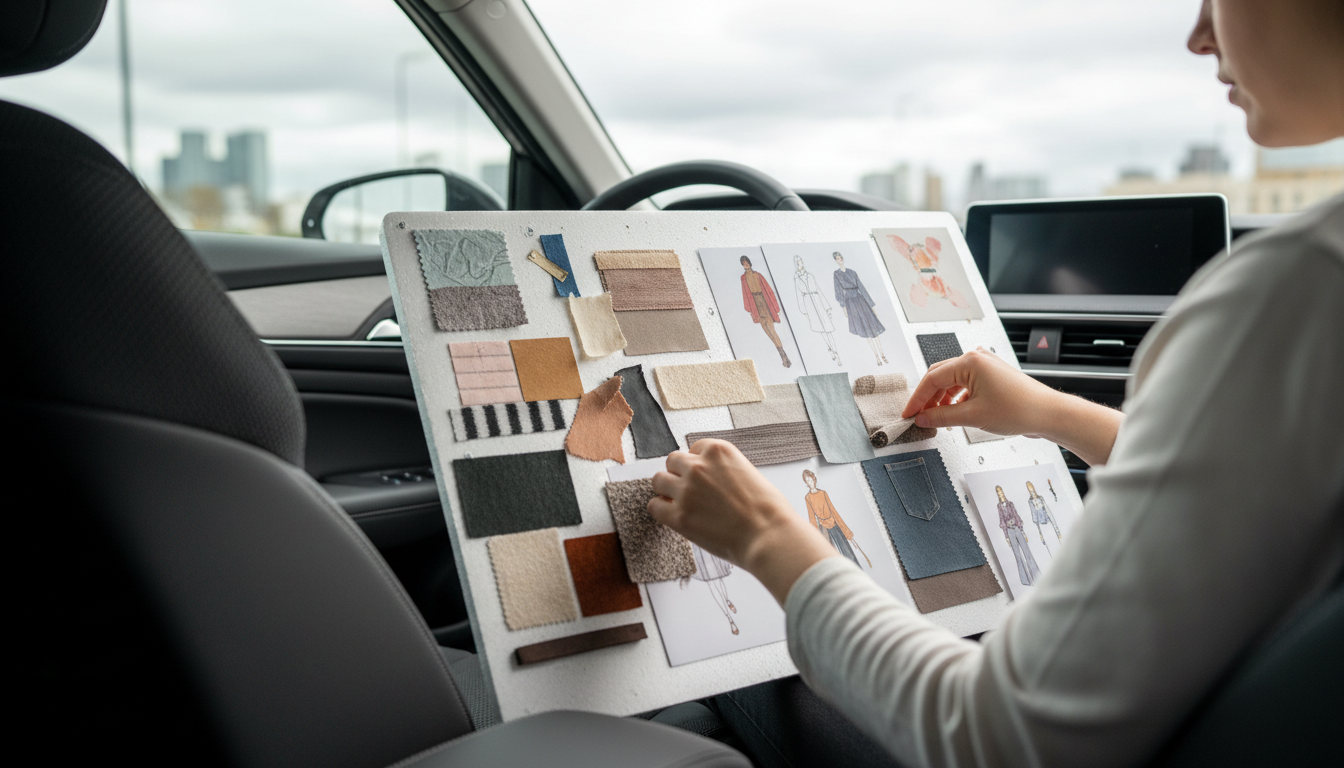
How to create a mood board for fashion?
A fashion mood board is a visual “north star” that keeps your ideas consistent—from silhouette and color to fabric and styling. Whether you’re planning a collection, building outfits for a shoot, or refining your personal style, the goal is to collect references and turn them into clear design direction.
1) Define the purpose and the vibe
Start with a simple prompt: season, occasion, customer, or story. Then pick 3–5 words that describe the mood (for example: “minimal, sun-washed, tailored, coastal”). This keeps your board cohesive and prevents it from turning into a random collage.
2) Gather inspiration from varied sources
Pull references from runway looks, street style, vintage photos, film stills, architecture, nature, and product details. Include both “full looks” and close-ups—like pleats, stitching, washes, or hardware—so your board supports actual design decisions.
3) Choose a color palette and anchor pieces
Identify a tight palette (often 3–7 colors) and add a few hero images that represent the core direction. If you’re designing, include fabric swatches or textures (linen slub, glossy satin, brushed knits). If you’re styling, add accessories and shoes that lock in the aesthetic.
4) Organize by categories
Arrange the board in sections such as silhouette, materials, details, prints, styling, and beauty. A clean structure makes patterns obvious—like recurring necklines, proportions, or motifs—and helps you edit anything that doesn’t belong.
5) Edit ruthlessly and make it actionable
Remove duplicates and anything that clashes with your chosen words. Your final board should make decisions easier: what to design next, what to shop for, or how to style the final looks. For a step-by-step walkthrough and examples, visit https://estalline.com/how-to-create-a-mood-board-for-fashion/.
For Fashion Mood Board: 5 Steps to Define Your Aesthetic, the best answer depends on fit, material, care instructions, and how the product will be used day to day.
FAQ
What should I include in a fashion mood board?
Include hero outfit images, a color palette, fabric/texture references, key details (closures, trims, stitching), and styling cues like shoes, accessories, and hair/makeup direction.








Leave a comment